Expert EV Charger Installations
*
Expert EV Charger Installations *
The Full Scoop on Home EV Charging: Navigating CEC 2024 & Alberta STANDATA
Thinking about bringing home a Tesla, Ford F-150 Lightning, or any other EV? While the vehicle is the fun part, the installation of a Level 2 charger requires a Master Electrician’s precision to meet the new 2024 Canadian Electrical Code (CEC) and specific Alberta STANDATA safety guidelines.
As a Master Electrician and former military radar technician, I don’t just "install a plug"—I ensure your home is future-proofed and safe. Here is everything you need to know about EV charging in Alberta today.
-
Under the CEC 2024, we cannot simply "guess" if your home can handle a charger.
The Rule: An electrical permit application for an EV charger must include a Load Calculation.
The Challenge: Many homes in Chestermere and Calgary have a 100-amp service. Adding a 40A or 48A charger can push your home over its legal limit.
The Solution: We perform a professional calculation to determine if you need a service upgrade or if a "Smart Management" device can save you money.
-
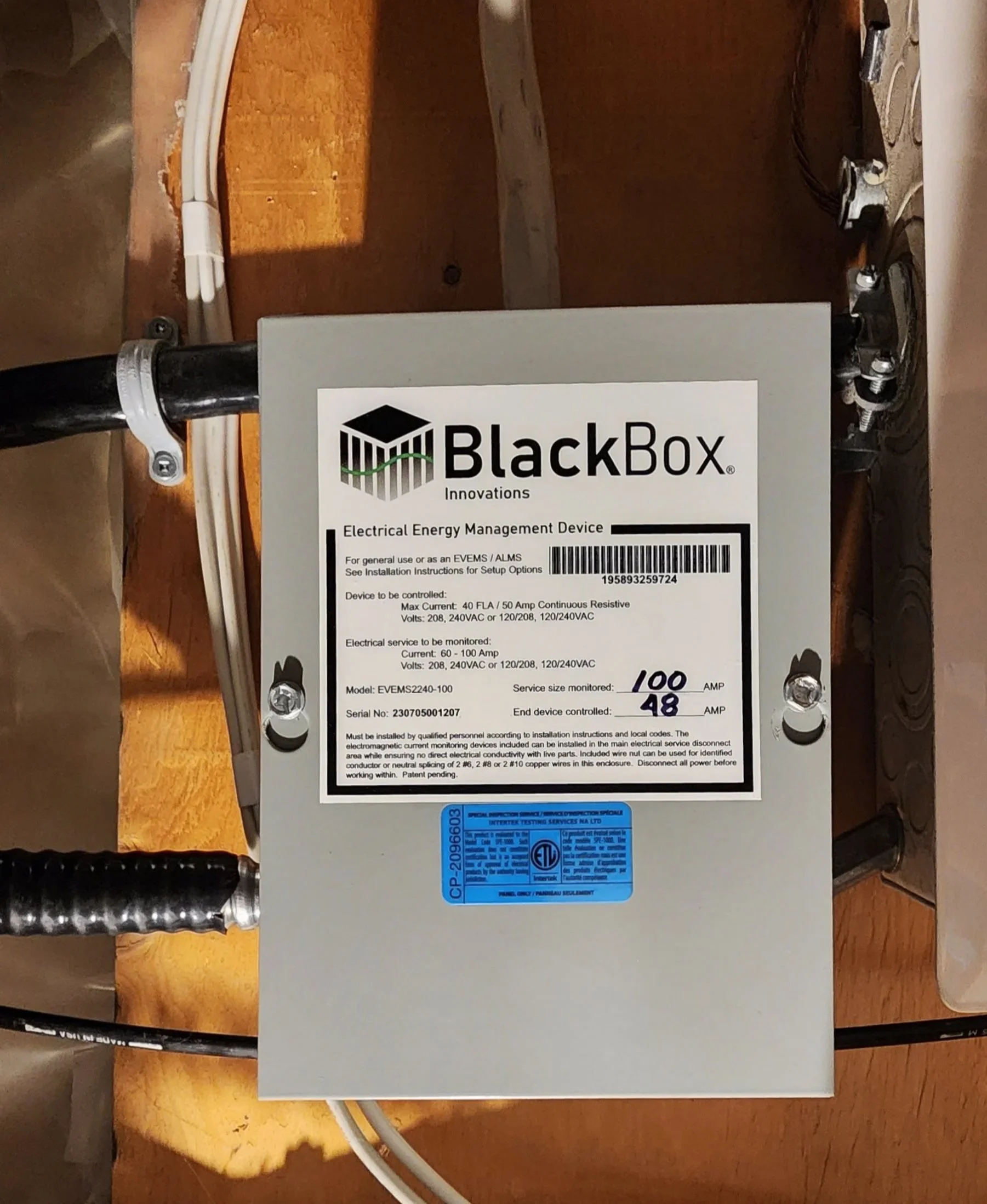
If your electrical panel is full, you might not need a costly 200-amp service upgrade. The new code officially recognizes Electric Vehicle Energy Management Systems (EVEMS).
How it Works: We install a smart controller (often called a "Black Box") that monitors your home's total power draw. If you turn on your oven and dryer at the same time, the device temporarily pauses your car's charging to prevent a blown main breaker.
Alberta Advantage: This is a cost-effective way to stay compliant with Alberta Safety Codes without digging up your front yard for a new utility line.
-
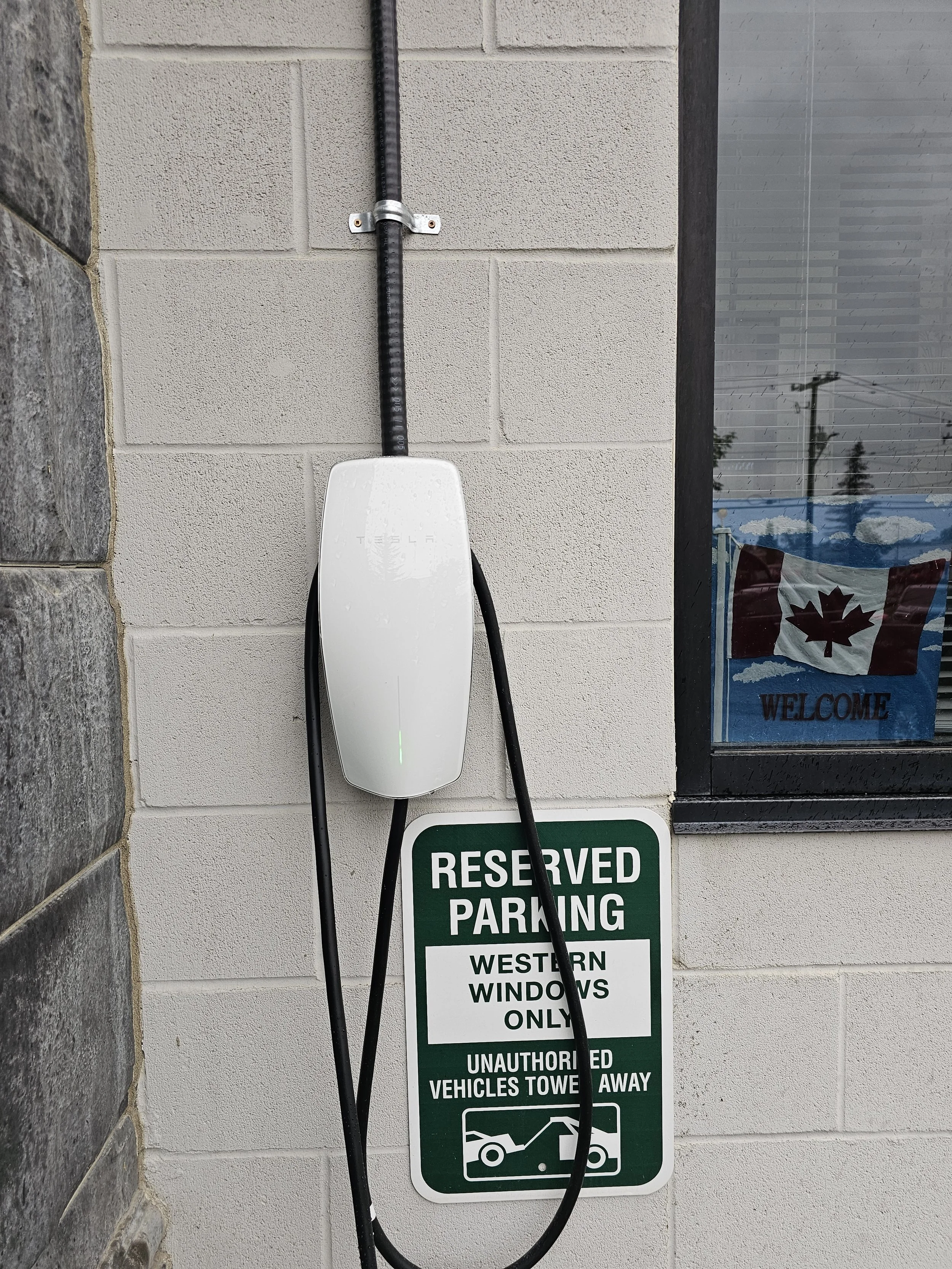
Modern chargers like the Tesla Wall Connector allow you to "dial down" the power. However, Alberta’s latest STANDATA interpretation is very specific about this:
The Safety Check: If the charger’s power can be easily changed by a homeowner via a smartphone app, the code requires us to calculate the load at the maximum possible setting.
The Professional Edge: To calculate at a lower setting, the adjustment must be internal (like a physical dip-switch) and set by a Master Electrician, with a permanent warning label installed.
-
Alberta winters mean most chargers are in garages, but placement still matters:
Mechanical Protection: If the charger is in a spot where a vehicle could bump it, the code requires it to be mounted at a specific height or protected by a bollard/curb.
Outdoor Installs: If we install your charger on a driveway, we ensure it is NEMA 4 rated to handle our -40°C Calgary winters and heavy snow.
-
In Alberta, a homeowner can sometimes do their own electrical work, but EV chargers are high-voltage, continuous-load devices.
1. Fire Safety: EV charging is a "continuous load," meaning it runs at full power for hours. Poor connections that might work for a toaster will melt or catch fire under an EV load.
2. Insurance: Without a permit and a Master Electrician’s signature, your insurance provider may deny a claim if an electrical issue occurs.
3. Resale Value: When you sell your home, a "certified" EV install is a major selling point.
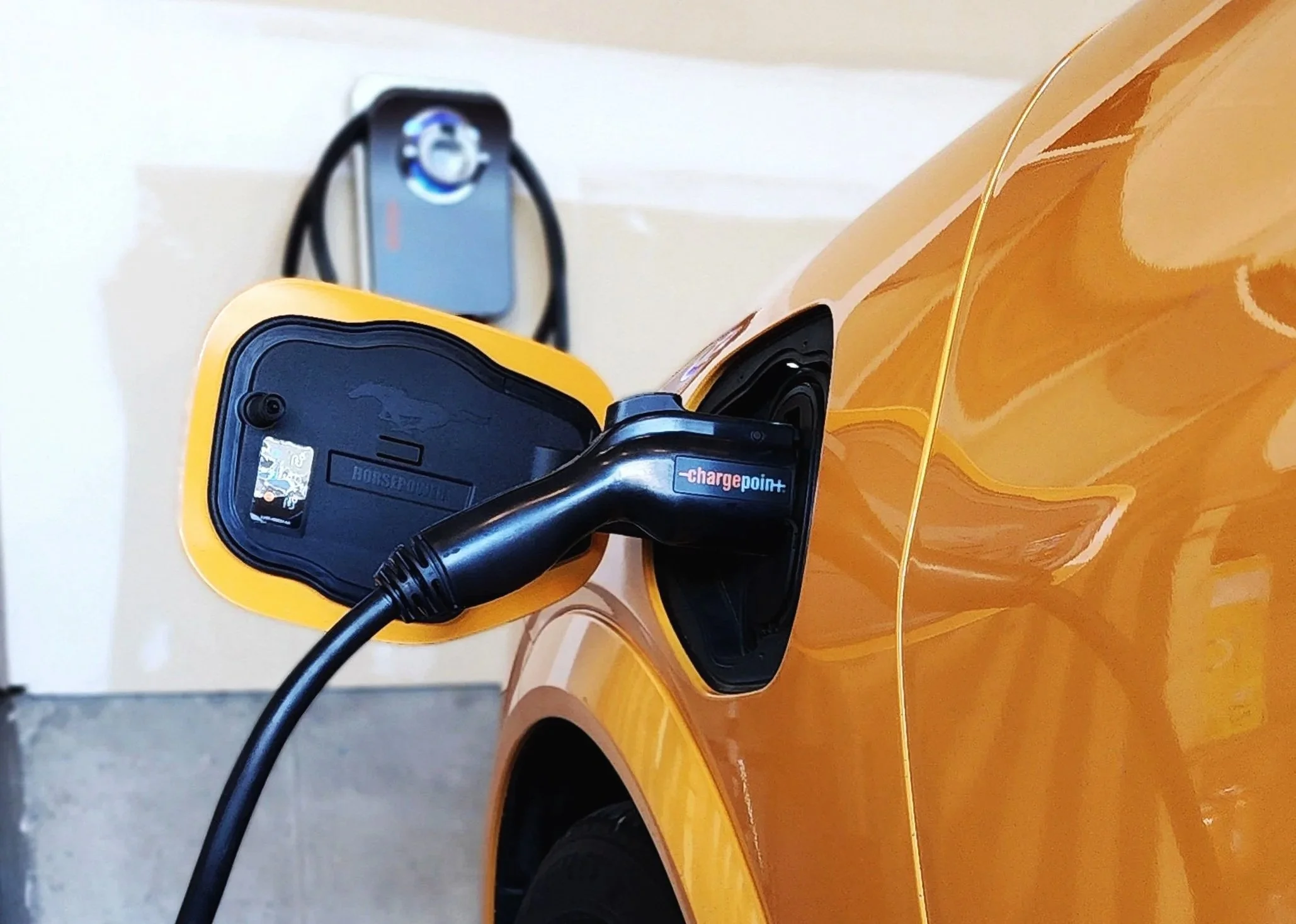
Professional installation of Level 1 & 2 EV chargers (Tesla, ChargePoint, and more). Fast, safe, and code-compliant.