Residential Internet Wiring & Optimization
*
Residential Internet Wiring & Optimization *
Pro-Grade Connectivity: Residential Internet Wiring & Optimization (CEC 2024 Standards)
-
The biggest mistake in home data wiring is running internet cables too close to power lines.
The Rule: CEC 2024 requires a minimum separation between communication cables and electrical light or power conductors.
The Standata Interpretation: In Alberta, if you are running data cables in the same stud space as power, they must be separated by at least 50 mm (2 inches) unless one of them is in a grounded raceway (conduit).
The Benefit: This prevents "EMI" (Electromagnetic Interference). If your Cat6 cable is zip-tied to a power line, your internet speed will drop, and you may experience frequent "dropped" packets.
-
Not all Ethernet cables are safe for use inside walls. The 2024 Code is very strict about the "Flame Spread" rating of communication cables.
CMR (Riser): Minimum requirement for running cables between floors.
CMP (Plenum): Required if cables are run through "environmental air spaces" like cold air returns or HVAC ducts.
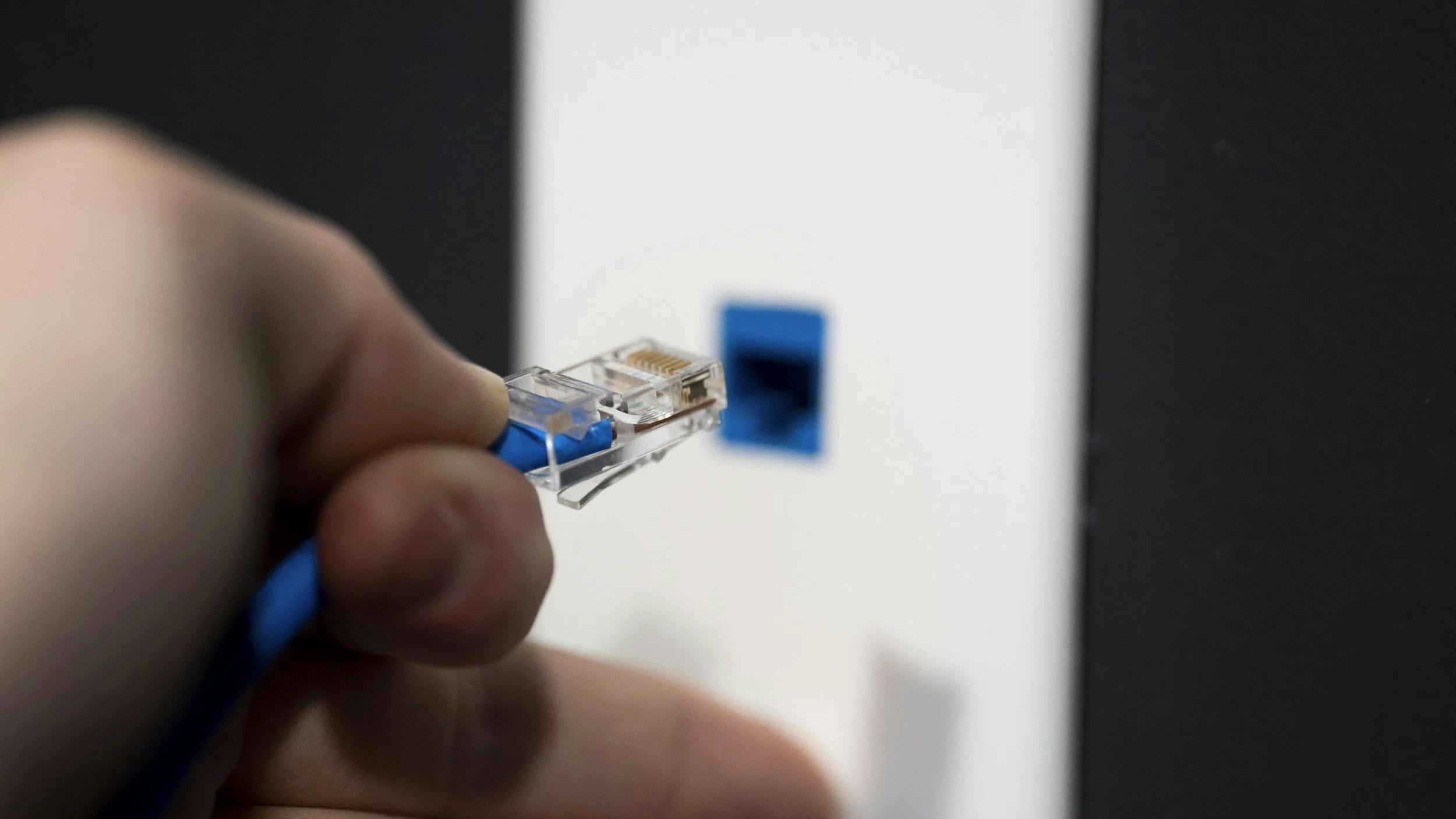
Pro Tip: Never use "patch cables" (the ones that come with your router) inside your walls. They are not fire-rated and will fail a home inspection.
-
Alberta’s latest STANDATA emphasizes coordinating your electrical service with your telecommunications (Telus/Shaw/Rogers).
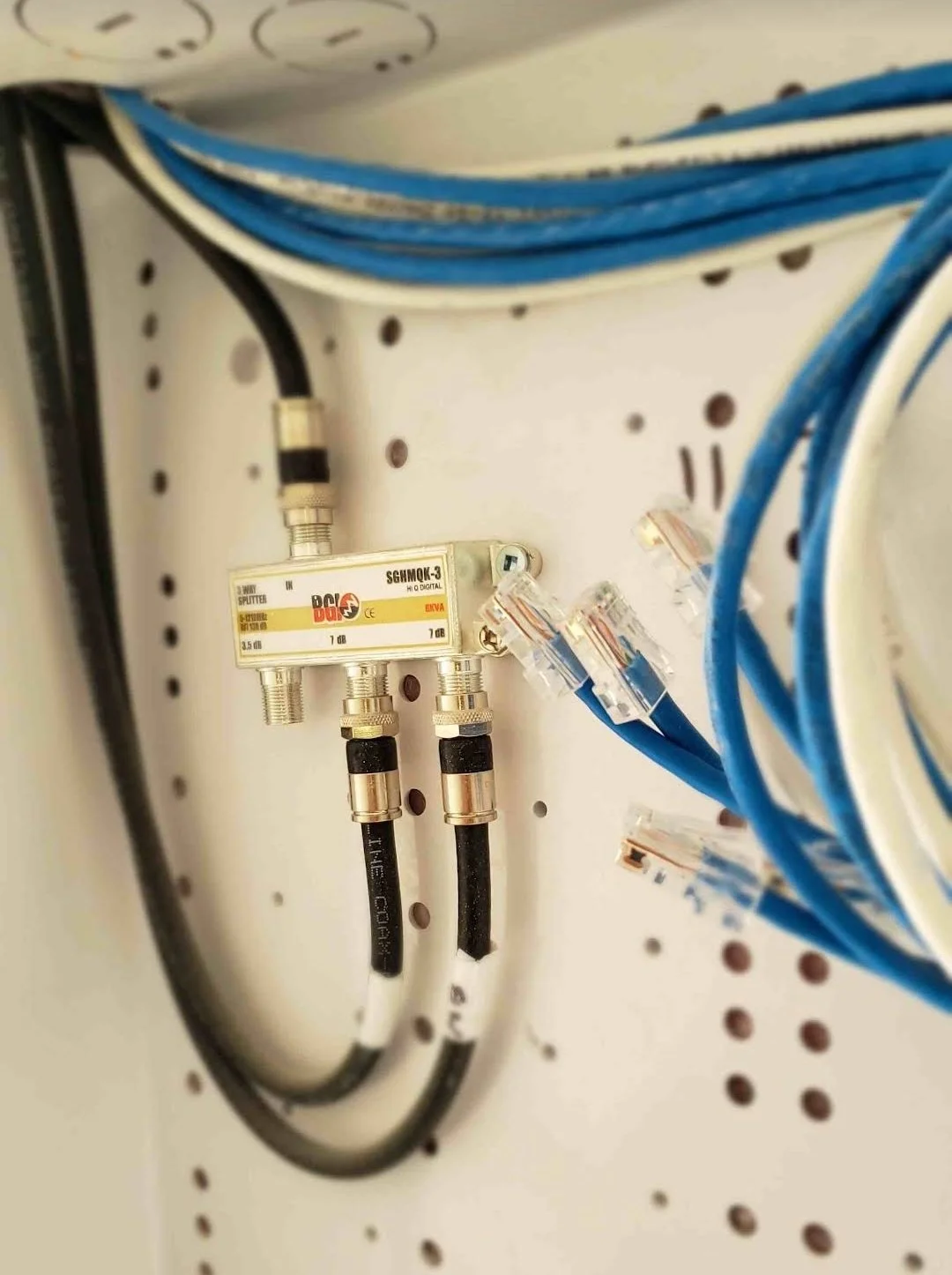
Demarcation Point: We ensure your "Smart Home Hub" or "Structured Wiring Box" is located near your electrical panel but maintains the required clearance to avoid interference.
Underground Services: If we are burying a new electrical line for your garage or suite, the data cable must be separated by 300 mm of well-tamped earth or a 50 mm pressure-treated plank to prevent accidental damage during future digging.
-
While Cat5e was the standard for years, CEC 2024 and modern bandwidth demands make Cat6 or Cat6A the baseline for 2026.
Cat6: Supports up to 10Gbps at shorter distances. Perfect for most homes.
Cat6A: Thicker, better shielding, and handles 10Gbps over longer runs. This is the "Future-Proof" choice.
Optimization: As a Master Electrician, I recommend a "Home Run" layout—every outlet in the house goes directly back to a central switch. This eliminates the "bottlenecks" caused by daisy-chaining routers.
-
Don't rely on one router in the basement to cover a 3-story house. We pre-wire "WAP" locations on ceilings in central hallways.
PoE (Power over Ethernet): The 2024 Code (Section 16) covers how we can send power to these devices through the data cable itself, meaning you don't need a power outlet on your ceiling.
-
Most "IT guys" don't know the Alberta Building Code, and most homeowners don't have the tools to test for "crosstalk" interference.
My background as a military radar technician gives me a unique edge in signal integrity. When I wire your home, I ensure:
Physical Protection: Cables are protected from nail-strikes using steel plates. (If need it for new construction)
Proper Grounding: Shielded cables are grounded correctly to your home's main system to prevent surges.
Certification: We test every drop to ensure you're getting the full speed you're paying your service provider for.
In an era of 4K streaming, home offices, and lag-free gaming, your home's "central nervous system" is its data wiring. To get the most out of your fiber-optic connection in Chestermere or Calgary, your internal wiring must be as professional as your power panel.
Enhancing your home's connectivity with reliable, high-speed wiring solutions—because a strong connection powers a smoother life.